Mara Cruise

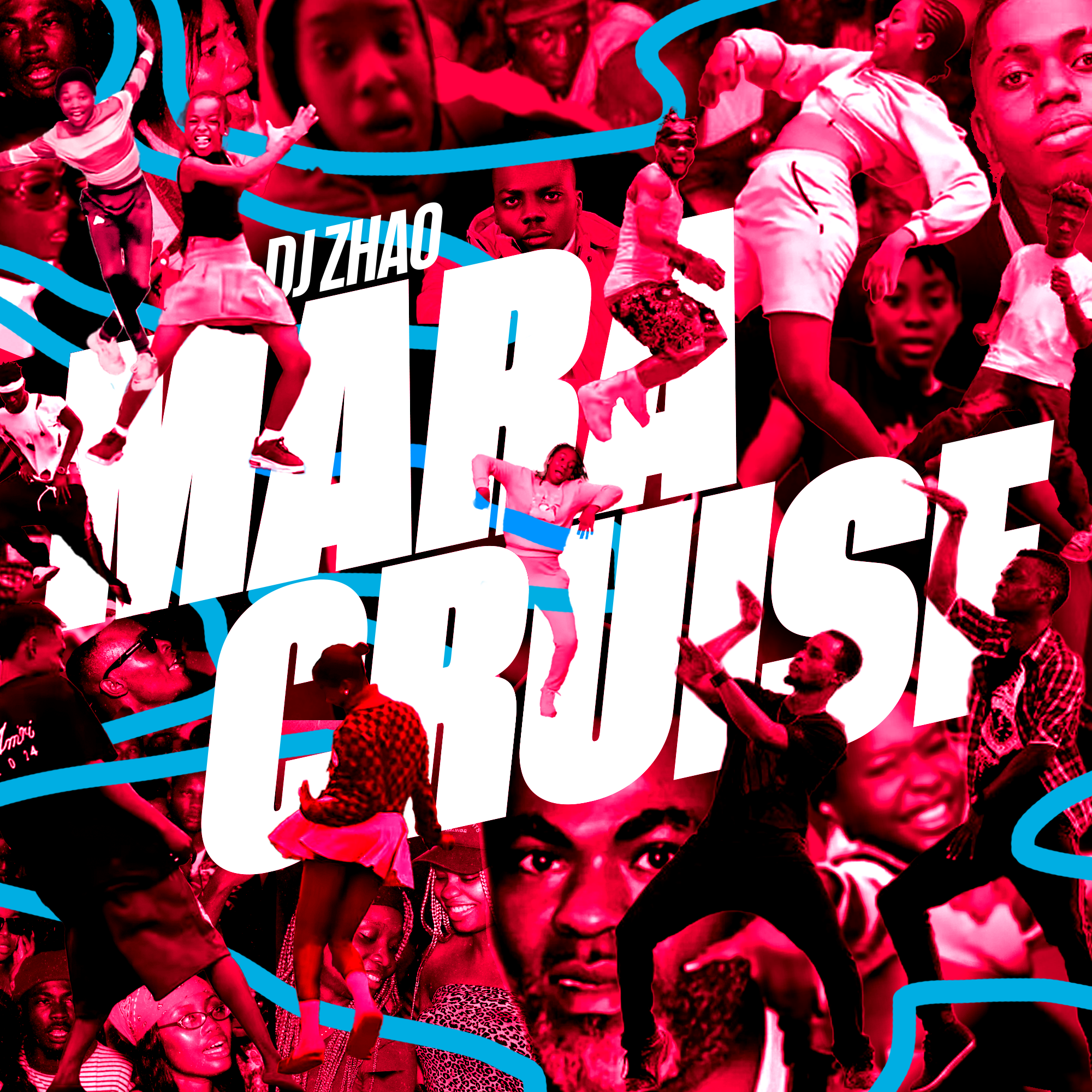
In Lagos slang, “mara” means “crazy, wild”, and “cruise” means “fun, a good time”.

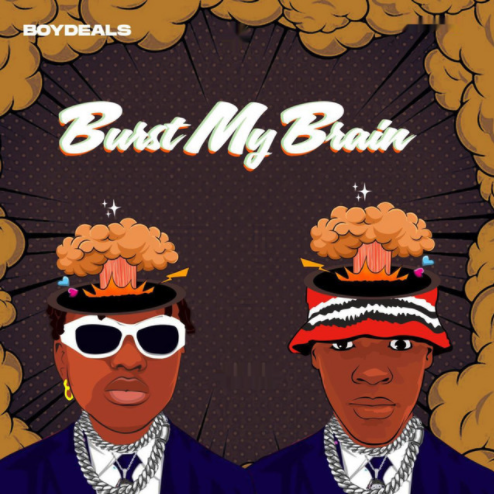
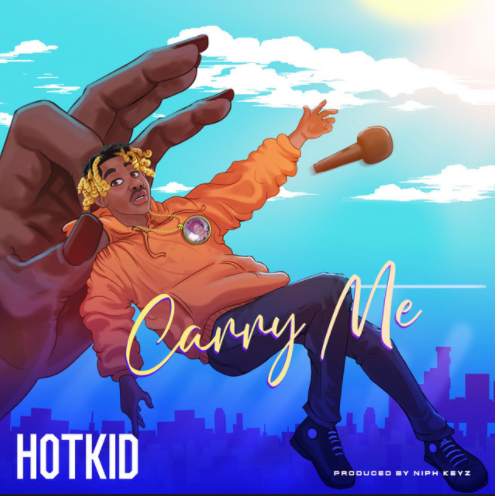
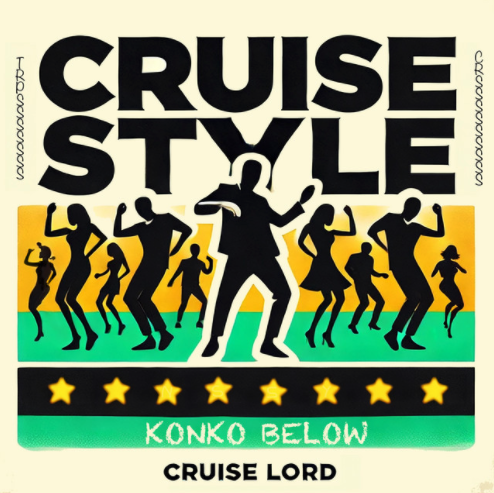
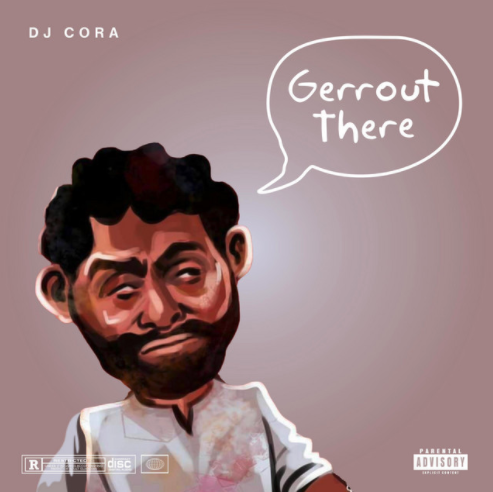
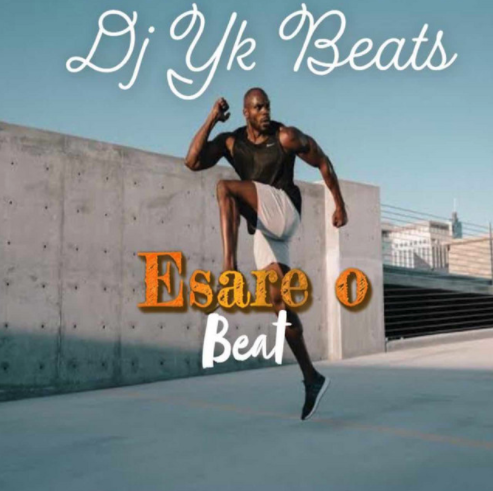
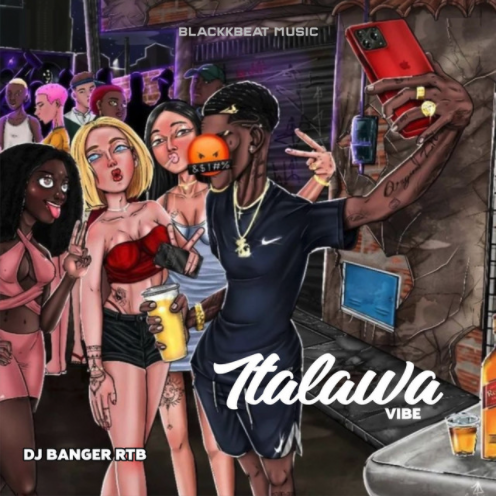
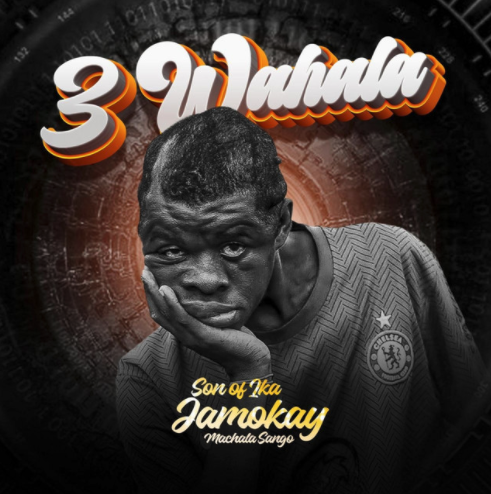
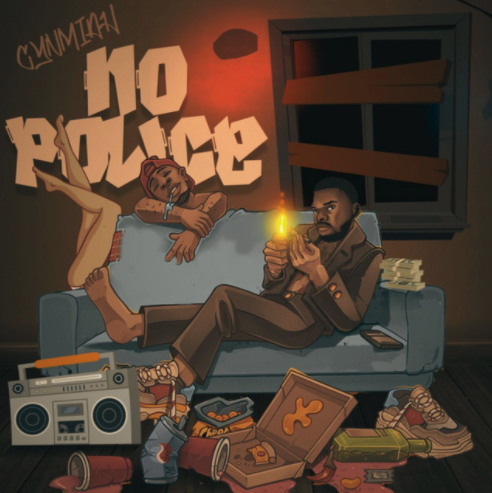
The loosely defined but at the same time distinct fresh style of music known as “Cruise Beat” or “Free Beat” began to spread from Lagos on TikTok and other social media around 3 or 4 years ago.

Cruisebeat is a kind of reaction against the by now ubiquitous and internationally popularised sound of Naija Pop with its slow tempos and languid, introspective, romantic themes reminiscent of Zouk/Kizomba. Instead, the younger generation is making music at much higher tempos, with cocophonous use of samples, and an irreverent, riotous modus operandi.

It is an unstoppable African hyper-modern DIY rave-virus full of raw, relentless energy, spreading through the streets of West African cities like a pandemic of boisterous sonic thrills and frenzied footwork. Rave With African Characteristics is full of rhythmic innovation, sonic adventure, crazy intensity, and ecstatic euphoria.

Clocking in on average at 1 or 2 minutes in length, the songs are not really “songs” as much as modular rhythmic pieces to be combined in infinite potential configurations. The elegance and integrity of this music is in its rigorous adherence to pure functionality: above all other concerns, the central objective is dance; and neither producers nor party goers ever lose sight of it.

But there is also something else, a central element of human creativity since the very advent of poetry and song, which has been almost entirely missing from European and USAmerican classical OR social music in the modern period and even for much longer: humour.

Cruisebeat features plenty of cheeky, looney, hilarious samples from Nollywood and elsewhere, childish, even toilet humour, and re-versions or remixes of funny, low-brow, and incredibly cheesy music such as “Crazy Frog” or “Happiest Year” by Jaymes Young (Don’t worry, I spared you from this one).
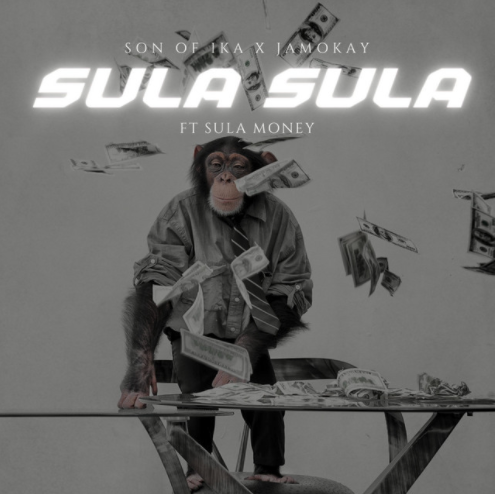
Musically ranging from Yoruba percussive dexterity, classic African Rumba, and Amapiano influences to palettes from Acid Techno and Trap, sometimes within the same track, everything is done with unmistakeable and entirey unmatched African rhythmic dexterity and effortless compositional brilliance.

Ironic that music made so quickly and spontaneously should actually, often, at the same time feel totally timeless.
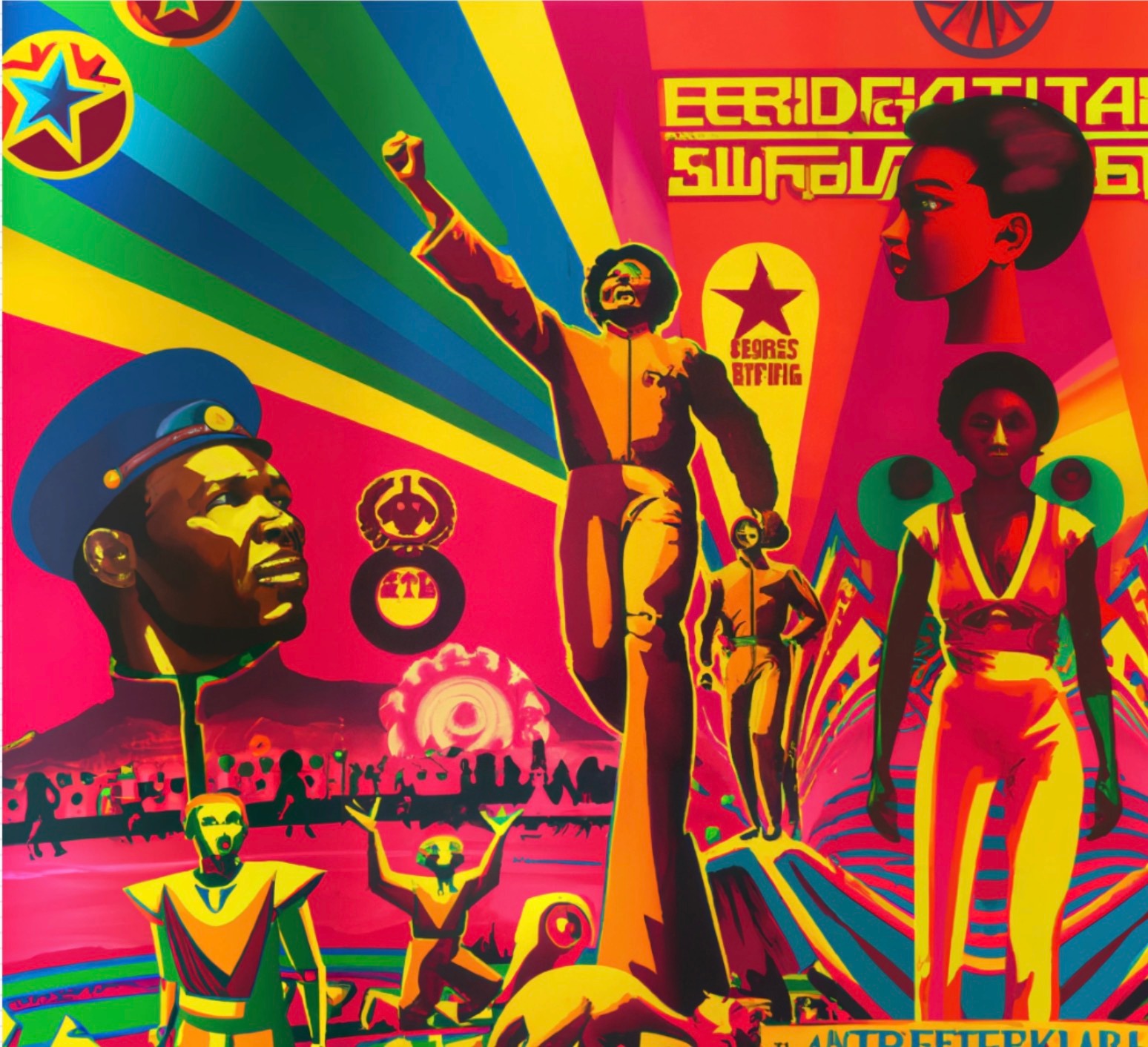
Futurism With African Characteristics TWO

Futurism in Europe, the sonic avant garde, for the past half century or more, has proceeded on a total rejection of tradition. A cultural product of post-modernism and historical nihilism, the assumption rested upon is that the past is only shit and must be destroyed, wiped clean, to have tabula rasa – which is nothing but a fantasy, never mind the result of false understanding. So what we end up with at Atonal or Transmediale is an aversion to melody, a rejection of musicality, thousands of artists making bleeps, bloops, rigid, mechanical, inhuman forms, all of which mono-cultural, mono-rhythmic, and deeply pessimistic. But in the end, contemporary European electronic music, for all its rhetoric and pretence at “futurity”, fails to innovate, and is today in 2024 still near entirely reliant on innovations made 40+ years ago in Detroit and Dusseldorf — clubs are mostly still playing the exact same single untz untz rhythm pattern.

Futurism in the Global South is the opposite.

Firstly there is a formal revolution every few years in which new palettes, new rhythm patterns, and new dynamics emerge. In South Africa alone, we have seen radical new styles like Gqom and Amapiano within just the past decades.

Secondly, contemporary African electronic music is characterised by an EMBRACE of tradition, and not only those of the music makers themselves. In a heavy bass number, all of a suddent bursts of ecstatic deep jazz saxophone. Forms like Samba, Jamaican dancehall, etc., etc., are often alluded to and paid respect or re-interpreted. Angolan Kuduro often references Brazillian music as well as include Portugese influences; Amapiano encompasses near everything that has happened in not only African but also African American music during the past century, from jazz to house to hip hop and reggae, but done in unmistakeably South African ways.


The horrors unfolding around the world today in 2023 can be seen as the birth pangs of a new, more just and peaceful world to come.

Along with the final and real removal of colonial forces and increased cooperation with the multipolar world, we will see, are already seeing, authentic economic development, connection, and integration in and of the motherland. In the next decades to century or more, the humanist technologies of the Global South will thrive, multiply, and cross pollinate.

Now is a time to mourn, to struggle, as well as to celebrate the deep, world historic changes taking place, and what is to come.

We should dance not despite, not in trying to forget, the violence and sadness of current conflicts, but in the realisation that this is the end of the imperialist era; and in solidarity with the rise of multi-polarity, envisioning a bright future for the formerly colonised.