
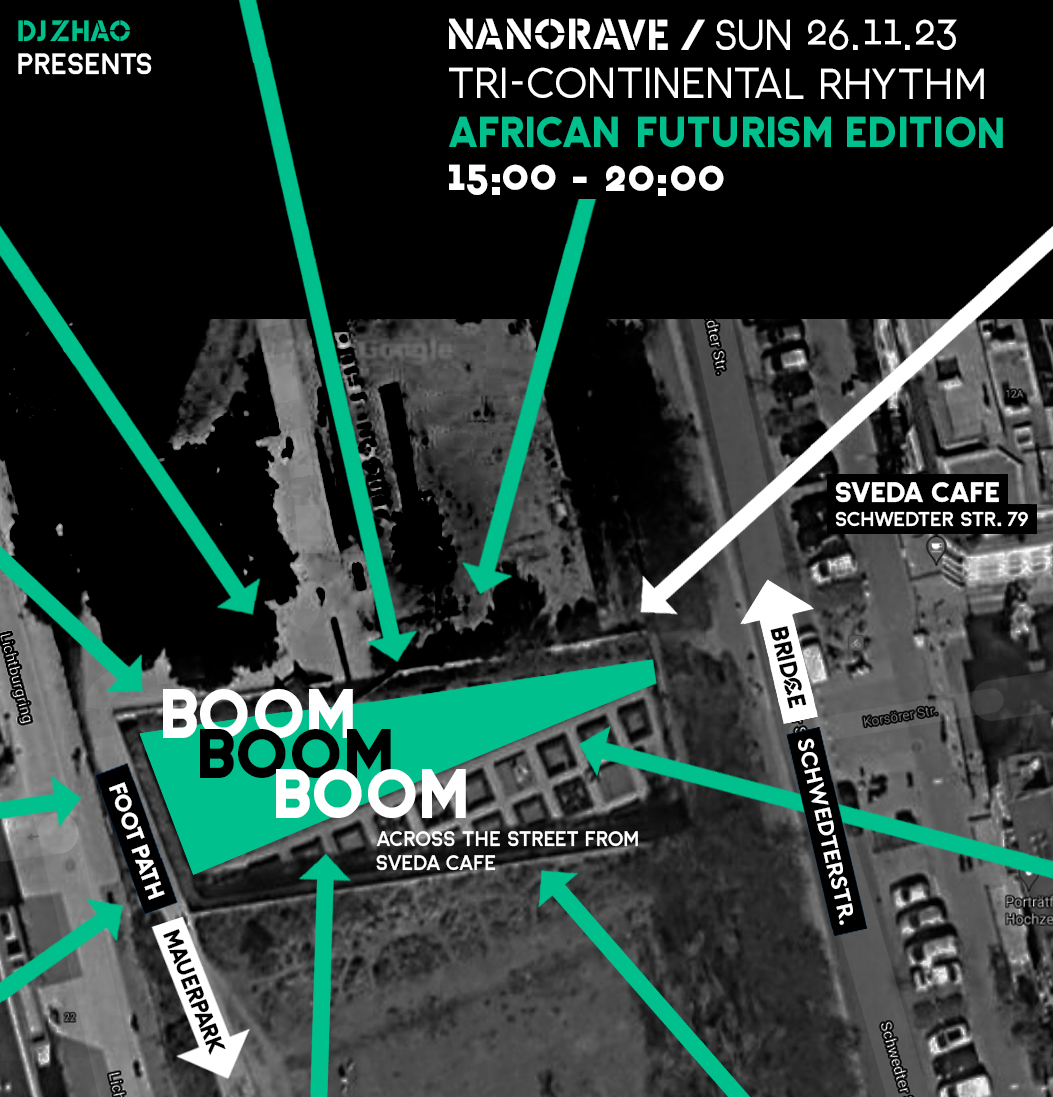
MICRORAVE SUN. 30.06 MULTIPOLAR EDITION
Image
Reply

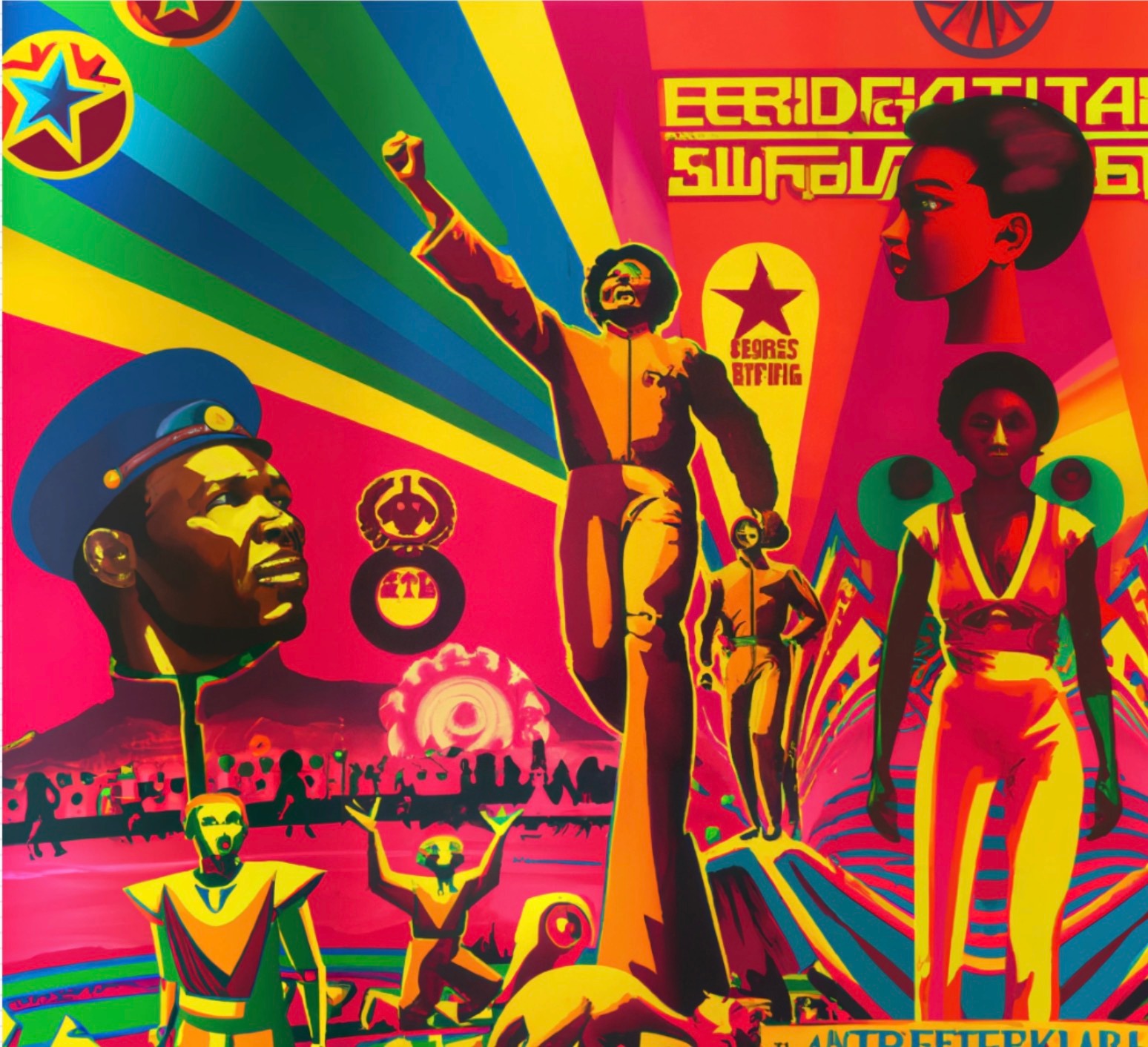
Futurism in Europe, the sonic avant garde, for the past half century or more, has proceeded on a total rejection of tradition. A cultural product of post-modernism and historical nihilism, the assumption rested upon is that the past is only shit and must be destroyed, wiped clean, to have tabula rasa – which is nothing but a fantasy, never mind the result of false understanding. So what we end up with at Atonal or Transmediale is an aversion to melody, a rejection of musicality, thousands of artists making bleeps, bloops, rigid, mechanical, inhuman forms, all of which mono-cultural, mono-rhythmic, and deeply pessimistic. But in the end, contemporary European electronic music, for all its rhetoric and pretence at “futurity”, fails to innovate, and is today in 2024 still near entirely reliant on innovations made 40+ years ago in Detroit and Dusseldorf — clubs are mostly still playing the exact same single untz untz rhythm pattern.
Futurism in the Global South is the opposite.
Firstly there is a formal revolution every few years in which new palettes, new rhythm patterns, and new dynamics emerge. In South Africa alone, we have seen radical new styles like Gqom and Amapiano within just the past decades.
Secondly, contemporary African electronic music is characterised by an EMBRACE of tradition, and not only those of the music makers themselves. In a heavy bass number, all of a suddent bursts of ecstatic deep jazz saxophone. Forms like Samba, Jamaican dancehall, etc., etc., are often alluded to and paid respect or re-interpreted. Angolan Kuduro often references Brazillian music as well as include Portugese influences; Amapiano encompasses near everything that has happened in not only African but also African American music during the past century, from jazz to house to hip hop and reggae, but done in unmistakeably South African ways.
The horrors unfolding around the world today in 2023 can be seen as the birth pangs of a new, more just and peaceful world to come.
Along with the final and real removal of colonial forces and increased cooperation with the multipolar world, we will see, are already seeing, authentic economic development, connection, and integration in and of the motherland. In the next decades to century or more, the humanist technologies of the Global South will thrive, multiply, and cross pollinate.
Now is a time to mourn, to struggle, as well as to celebrate the deep, world historic changes taking place, and what is to come.
We should dance not despite, not in trying to forget, the violence and sadness of current conflicts, but in the realisation that this is the end of the imperialist era; and in solidarity with the rise of multi-polarity, envisioning a bright future for the formerly colonised.
We celebrate the closing of the awesome kongress over the weekend with 5 hours of tri-continental rhythms, and embody the anti-imperialist struggle with the sweetest and heaviest rhythms from the Global South.
Come early. Bring drinks and comrades.

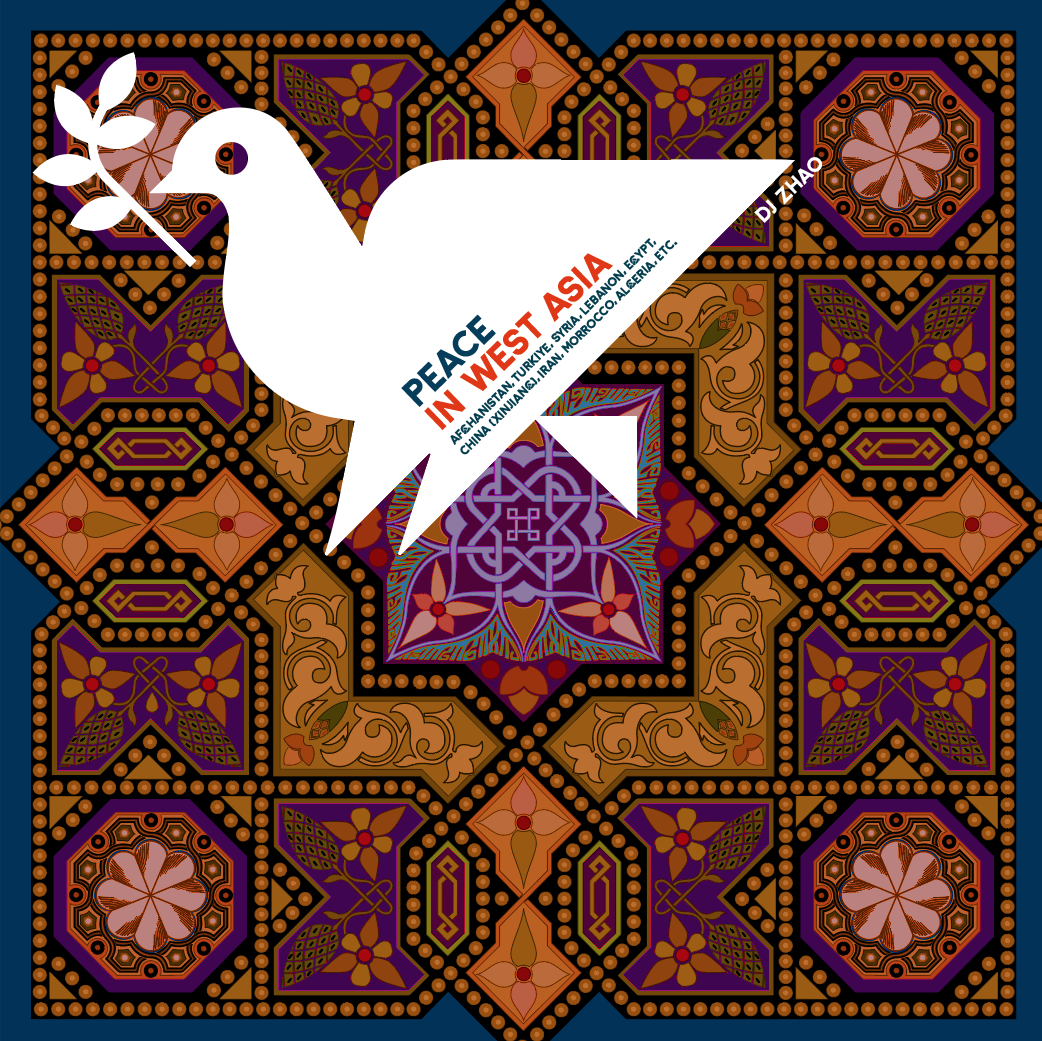
Music to die for, in celebration of life and a bright future for West Asia. These 3 mixes in the series were inspired by the rapproachement between Iran and Saudi Arabia, the movement towards rapproachement between Syria and Turkey, and the recent developments in West Asia towards peace and stability after 40 years of continuing foreign invasions and bombs which destroyed hundreds of cities, killed tens of millions of civilians, and created hundreds of millions refugees.

Amapiano emerged out of either Durban or Joburg in the recent 5 years or so. Jury is still out on which city – I’ve met Durbanites who swear on the graves of their ancestors that the sound is Durban, as well as Joburgians who say it was developed in Soweto, and popularised in the legendary Poniaza club (bigup bigup!!).
Musically, it is a response to the previous sound to dominate the South African scene for some years, Gqom, which evolved out of the rougher side of South African House, defined by a relentless and repetitive dark energy that might be described as African Berghain hard techno (though I am very aware of the problems of describing African electronic music by Western terms, it is what Western audiences can understand and relate to).
Amapiano swings the vibes hammer in the other direction: toward more “accessible” musicality, more melody, and drops the BPM from 130 down to exactly 114 (I would love to interview the pioneers on why this exact bpm which all Amapiano tracks seem to strictly adhere to).
Stylistically it is a superb vision of African Futurism which is decidedly the opposite of the futurism of European electronic avant garde, which is all about a REJECTION of history: minimalist bleeps and bloops that try to divorce itself from past genres. In stark contrast, Amapiano EMBRACES all of the African and Afro-diasporic modern traditions: including recognisable influences from Jazz, Reggae, Dancehall, Hip Hop, R’n’B, and even chart Pop.
But make no mistake: this music is revolutionary, in a structural sense. Amapiano turns many conventions on its head, most importantly, changing the relationship between the lower and higher ends, and reversing the roles played by the hats and the bass.
In Western modern dance music, the bass kick provides a constant repeating pattern (nearly always a 4/4 lol) on top of which higher frequencies float, doing variations within the sameness. The central passages of Amapiano tracks turns this on its head: the constant repeating patterns are done with the highs, such as melodic refrains, and it is the BASS which does variations within the sameness. Like the Mama Ngoma drum of the Congo, largest and heaviest of the family of drums, always doing the SOLOS, I believe this is a reconnection with ancestral African musical heritage.
Some people in Europe who are accustomed to edgy hardcore menacing moods in their club music seem to think Amapiano is too soft and “pleasant”… But they just don’t get it 🙂
For some reason the soundcloud embed isn’t working at the moment, so here are ghetto ass links to the 3 parts series 😀
Sorry for neglecting this site for some time. There is a lot of exciting things happening with my dj work but just have been a bit overwhelmed with other projects. Much more soon!
But for now, any lucky people attending Fusion this weekend should know that Dj Zhao’s set will be Sat. night / Sun. morning from 3am – 6am, on the Salon De Baile stage.
Expect next level and all inclusive African Futurism.
See you there!


Ancestral Yoruba, Kejawèn, and Akamba rhythms meets Jungle, Juke, Bass, Hip Hop, and Spiritual Jazz.
Sorry for the short notice.
Tomorrow Friday my talk at 18:00 will be on the Insurrectionary Politics of Dancing, and dj set from 21:30 – 23:30 of Afro-centric Breaks and Jungle.

“Understanding the sound system as a social space, we want participants of different genres and scenes (from roots, dub and contemporary bass music to techno/tekno) to gather and exchange.
In a colorful program of exhibitions, live-performances, workshops, talks, discussion and diverse music Berliners and international artists are entering into a dialogue and are actively shaping the event.
Exhibitions:
– Roots of sound system music & culture – including audio examples and open dialogue by David Riley (Supported by Mr. Glue)
– UK sound systems in the 90ies – photos and input by Ed Twist
Workshop:
– “Listen! Material and Loops – A hearing experience” by E.L.L.I.
Discussion Panel (FLTI):
– “Sound Systems, Rave Collectives and Gender” by Meetup Berlin & PRIZM:Berlin
Talks:
– The revolutionary essence of social dance by He Zhao
– Sound system culture, hardcore techno and the Berlin Fuckparade by Bianca Ludewig
– Sound System Cultures of the Black Atlantic: Angolan Kuduro by Stefanie Alisch (Humboldt Universität zu Berlin)
– Rave & psychoanalysis by Feli Concat
– Musique Concrète Jungle – spatial delivery research by Lukas Jakob Löcker
Performance:
A/V synth performance by SAOU TV & Kevin Koen
Music:
– Benjammin
– Chantal
– Dj.Pult (do not dance)
– dj zhao
– Feli Concat
– Gretchen Bazooka
– Hägen Daz
– Jahminta Zulu
– Jah Forcefield (Bademah & Zentash Gigawatt Dubz)
– Jukebox Utopia
– Mila Chiral – live
– One Woman Army in Dub
– Pmp Mzk alongside Tcp (Harlekinsound / Certain:Dubs)
– Smi
– Spiriel
– Aporia Barrage
– Token
Supported by:
– VJ Flimmerkiste
– A-Sound System
– Triple P Sound System

Honored to have participated in the curation of this festival, and looking forward to contributing to it, speaking alongside the likes of Kodwo Eshun and playing next to JLin.
Mark your calendars: Thu, Apr 26, —Sun, Apr 29


Tonight is a big big night, with top beatsmiths and djs from Uganda, UK, and Berlin providing us with outlandishly excellent sonic services in this historical NYEGE NYEGE FESTIVAL gathering on the other side of the globe.
And tomorrow all 4 of us, David Tinning, Spooky-J, Moroto Hvy Indstr, and myself will be weaving ecstatic aural tapestries on the esteemed Cashmere Radio, where there is a dopetastische absinthe bar, from 8pm to midnight.
Get your dancing shoes ready for tonight, and smoking jacket for tomorrow!
Rhythms of the mother continent meets Sound of Berlin: NGOMA envisions dance music of a society that we want our grand children to live in. Decolonized poly-scyncretic drum machines of a high-tech egalitarian future, constructed from the plurality of various life experiences and multiple sonic perspectives today, NGOMA fuses the best of many worlds for maximum mind expansion, soul elevation, and body intoxication.
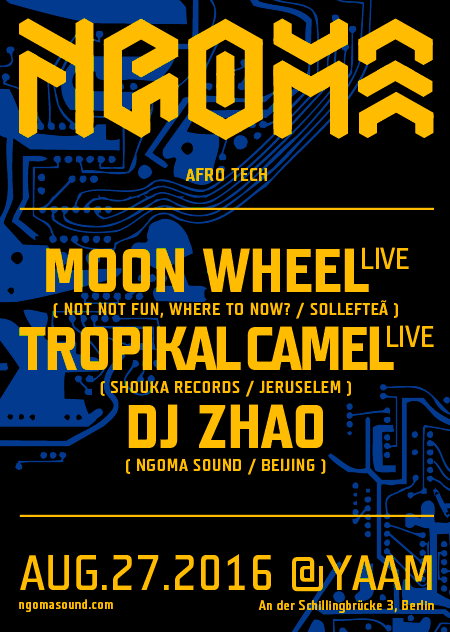
Sound of Berlin meets Rhythms of the mother continent: NGOMA envisions dance music of a future society that we would want our grand children to live in. Imagining a decolonized polycultural drum machine constructed from the plurality of our various life experiences and multiple sonic perspectives, NGOMA fuses the best of many worlds for maximum mind expansion, soul elevation, and body intoxication.
There are African histories of egalitarianism and democracy independent of, and predating, modern Western progressive movements. It is time we revived them from systematic displacement and erasure, because they may hold the key to our collective future.
 contemporary Northern Ghanaians holding council. Photo courtesy of Marc Becker
Indigenous Democracy
An epiphany of cosmic proportions dawned upon me during a taxi ride from Kampala International airport to the city last year. My incidental travel companion was the Ugandan film maker Dolman Dila; and in his unhurried, quiet, and measured tone, this is what he said:
“Of the 53 major “nations“ in the region today known as Uganda (name arbitrarily taken from one of them, Luganda, by the British), only 10 featured any kind of hierarchical political structure. The majority of them, with population size from 1 to 3 million, lived in entirely egalitarian organizations, voluntary cooperatives, and share/gift economies, without centralized political power, high levels of inequality, or warfare. For instance, Acholi, the 2nd largest society in Uganda, lived in communal, collaborative, and mutualistic arrangements. In these societies elders and experts were respected, and held influence, but did not have exclusive decision making power over others. In fact, the people of these societies having almost entirely no concept of power, control, domination, and subjugation was a significant factor for the ease with which Europeans conquered these lands. When an Englishmen said to them „I will rule this territory from now on“, they probably looked at each other, shrugged, and with such trust toward their fellow men, as strangely dressed as these were, said something like: “We don’t know exactly what that means, but why not, it should be fine.‘“
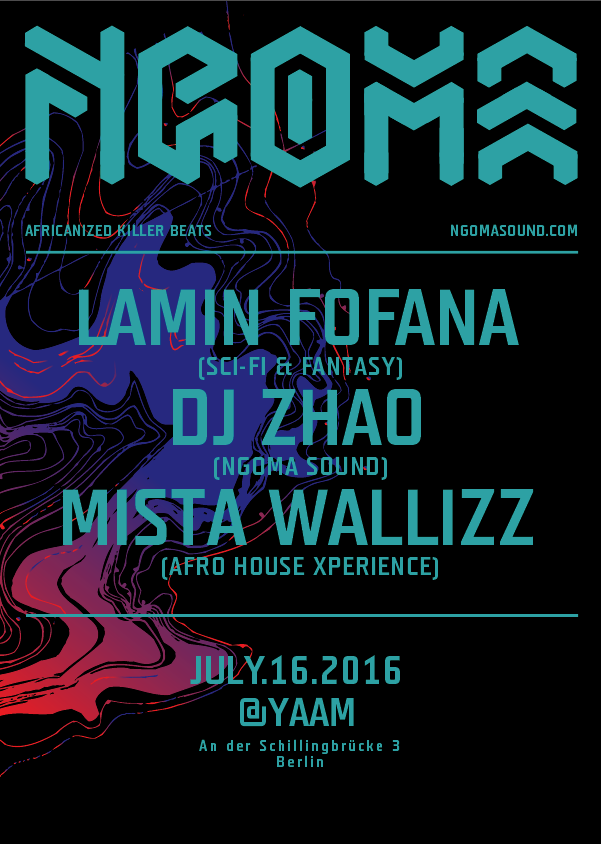
Familiar club sounds of Berlin meets the Drum Sciences of the mother continent: NGOMA presents dance music of a future society that we would want our grand children to live in. Imagining a decolonized polycultural rhythm machine constructed from the plurality of our various life experiences, multiple sonic perspectives distilled, NGOMA fuses the best of many worlds for maximum mind expansion, soul elevation, and body intoxication.
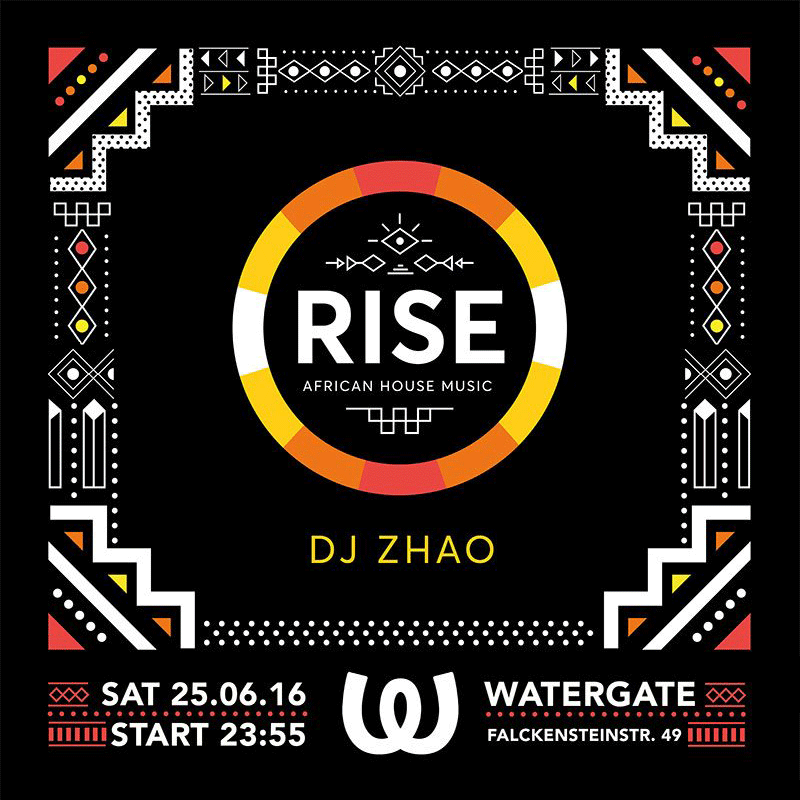

A new series of Polyrhythmic Bass and Afrocentric Techno is born at this sweet underground spot by the spree near Schlesisches Tor with big sound.
https://www.facebook.com/events/1589940924667453/
________________________________
Lamin Fofana (Sci-Fi & Fantasy)
dj zhao (Ngoma Soundsystem)
Qumasiquamé (Through My Speakers)
Sheikh (SOUL FUTURE BASS)
________________________________

 NGOMA SOUND